
 StitchmanInc
 Infrastructure
 Accessories & Organizers


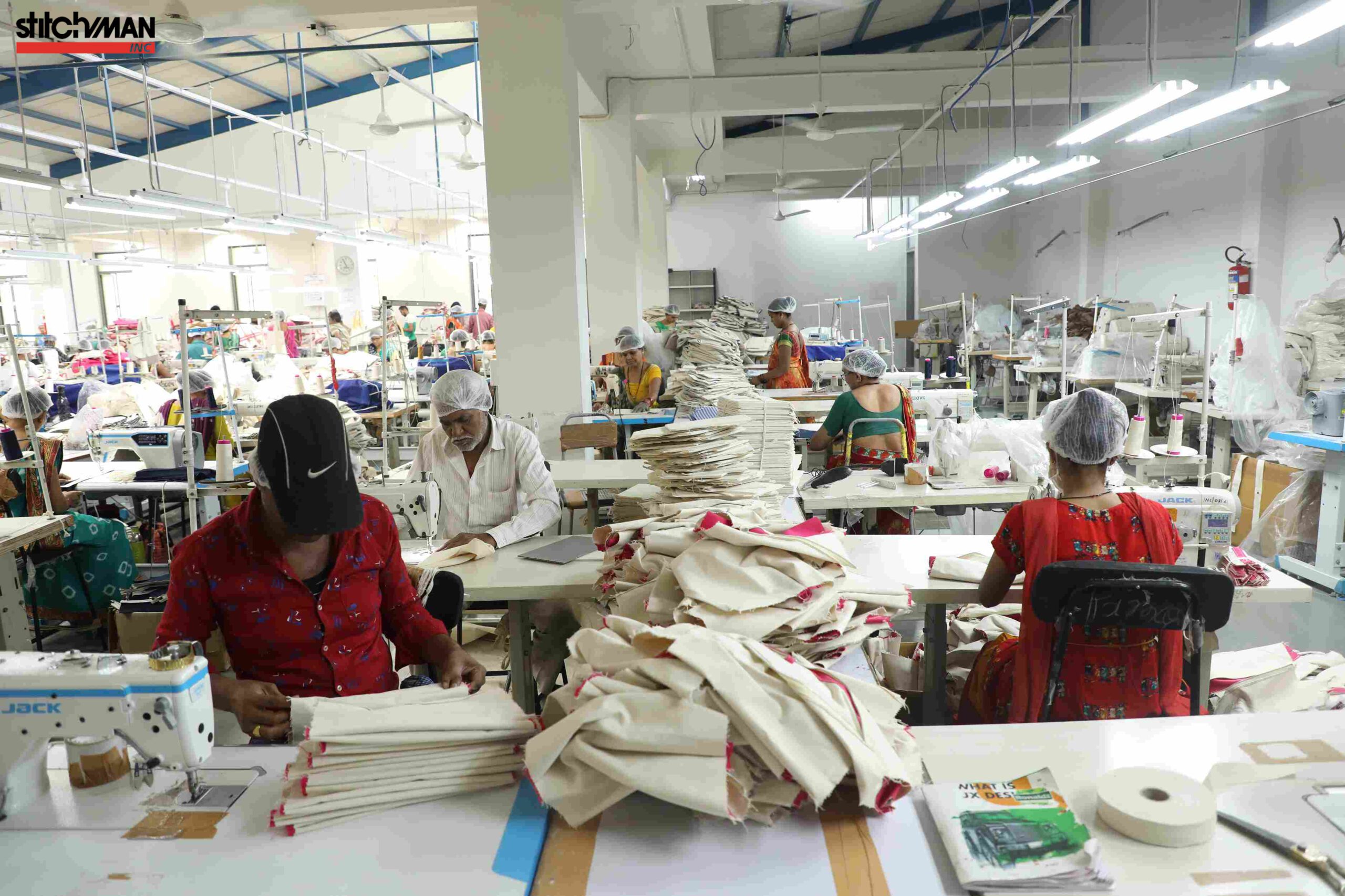
When people talk about quality in bags, they often look at the finished product. What they don’t see is how that bag was made.
This is where the difference between a factory direct bag supplier and a retail supplier becomes clear. One controls production. The other only handles finished stock.
For bulk orders, quality isn’t accidental. It’s planned, checked, corrected, and checked again. That’s what quality controlled bag manufacturing actually means.
What Is Quality Control in Bag Manufacturing?
In bag manufacturing, quality control is not a final step. It runs through the entire production cycle.
It starts with fabric selection and continues through cutting, stitching, printing, packing, and dispatch. Each stage has its own checks. If something goes wrong early, it’s corrected before it turns into a large-scale issue.
Manufacturers work with fixed processes. Retail suppliers work with finished goods. That difference alone changes how much control is possible.
Factories like Stitchmaninc Ahmedabad build quality into the system rather than inspecting it only at the end.
Step-by-Step Bag Manufacturing Quality Check Process
A proper bulk bag quality check process follows clear stages. This is often referred to as bag production quality inspection stages.
First comes raw material checking. Fabric thickness, weave, and consistency are verified before cutting begins.
Next is cutting accuracy. Panels must match size specifications exactly, especially for bulk runs.
During stitching, seams, handles, and load points are checked continuously. Weak stitching here means failure later.
Printing and branding are inspected for alignment, ink quality, and durability.
Finally, finished bags go through visual inspection and packing checks before dispatch. This step-by-step control is not possible once bags are already finished and sitting in retail inventory.
Fabric Testing & Strength Standards in Bulk Bag Production
Fabric is the foundation of bag quality.
In bulk production, manufacturers test fabric based on how the bag will be used. Weight capacity, stitch holding strength, and fabric behavior under load all matter.
This is especially important for heavy weight totes, where fabric failure means product failure. Manufacturers working with Canvas Bags Manufacturer and Jute Bags manufacturer programs rely on material standards that retail suppliers cannot verify themselves.
Testing happens before production, not after complaints.
Why Retail Suppliers Cannot Offer Factory-Level QC?
Retail suppliers usually source finished bags from different factories. They don’t control how the bag was stitched, how the fabric was handled, or what checks were skipped to save time.
Their quality control is limited to visual inspection — what can be seen after production is already complete.
Manufacturers control quality during production. Retail suppliers react to defects after they appear.
That’s why factory-direct sourcing reduces risk, especially for bulk and repeat orders. We hit GSM weights spot-on for Jute Bags manufacturer runs, plus water repellency dips for treated lots.
Certifications & Compliance in Bulk Bag Manufacturing
Bulk manufacturing often follows defined compliance systems. These may include internal process standards, material sourcing documentation, and production records.
Manufacturers maintain traceability — which fabric was used, which batch was produced, and when it was inspected. This level of documentation supports long-term supply programs and repeat orders.
Details about manufacturing practices and process discipline are usually outlined in sections like about stitchmaninc, where factories explain how production is managed internally.
FAQs
How do manufacturers test fabric strength?
Fabric is checked for thickness, weave consistency, and load behavior before production.
Do manufacturers provide quality reports?
Many factories maintain internal inspection records for bulk orders.
What defects are checked before dispatch?
Stitching issues, printing errors, sizing variation, and finishing defects.
Can I request third-party inspection?
Yes, third-party inspection can be arranged for bulk orders.
How do factories ensure bulk consistency?
By using standardized processes, trained teams, and repeated checks at each stage.